
What it wants
To save your life by forcing you to escape a perceived imminent threat.
defender
What it wants
To save your life by forcing you to escape a perceived imminent threat.
What it fears
That you will die, collapse, or be annihilated if you don't react *right now*.
This bird doesn’t coo or chirp — it crashes through the window. One moment, you’re fine; the next, it’s a storm of frantic wings and a piercing shriek that drowns out everything else. Your heart hammers, the air feels thin, and the world shrinks to a single, pulsing thought: *DANGER*. The Panic Bird isn’t trying to scare you. It’s convinced a predator is inches away, and it’s screaming for you to run, to fight, to do *something* right now. It hijacks your body with the certainty of a five-alarm fire, even if the trigger was just a stray thought. And when it finally flies off, it leaves you shaky and exhausted, wondering what on earth just happened.
The Panic Bird doesn’t build a nest — it materializes in mid-air. It’s drawn to habitats that feel enclosed, inescapable, or overwhelmingly uncertain. Crowded rooms, stalled traffic, or the silent moments before a high-stakes event are its favorite hunting grounds. It weaves its frantic energy directly into your nervous system, turning your own body into a temporary, terrifying cage of racing thoughts and haywire physical signals.
What tends to bring it out
"GET OUT. NOW."
"Something is wrong. Something is very, very wrong."
"I can't breathe. This is it."
"It's happening again."
The Panic Bird's entire existence is a threat display. It doesn't puff up its feathers; it detonates, creating a chaotic internal storm of terror to force a desperate flight, fight, or freeze response.
Birds rarely act alone. These are some of the Birds that often travel nearby.

planner
The Hypervigilant Bird's constant scanning often identifies the "threat" that summons the Panic Bird. One keeps the system on edge; the other pushes it over.
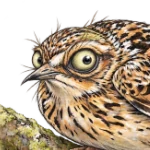
vulnerable
Panic Bird erupts to protect the tender Fear Bird. When something in the present touches on that old terror, Panic Bird takes over to create an emergency exit.
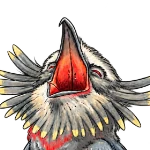
defender
They can be close companions. A rising sense of panic can trigger a meltdown, or the disorienting chaos of a meltdown can feel like a panic-inducing loss of control.

planner
The Critic Bird can be the one to whisper, "What if you fail and everyone sees?" Panic Bird hears this not as a possibility, but as a clear and present danger happening right now.
Linked Experiences
These Experiences ground the Bird in real life. They show the moments where this protective pattern often appears.
Explorer shows the broad version of the experience, without narrowing it to one neurotype.
Changing this updates how BirdStory explains experiences in your guide.
These views change the wording and examples BirdStory shows. They are not a diagnosis.
Pick the view that makes the experiences feel most recognisable.
Supporter View
Witnessing a loved one in the grip of panic can be terrifying and leave you feeling helpless. This guide is here to help you understand what’s happening internally and how you can be a calming presence instead of an accidental trigger.
More support
Explore the Experiences where this pattern shows up — real moments that ground the Bird and point to what can help.
Sign in or create a free account to save this entry.
We'll email you a link to sign in instantly.