
What it wants
To build a predictable, safe path forward where nothing can go wrong.
planner
What it wants
To build a predictable, safe path forward where nothing can go wrong.
What it fears
The unknown. It is terrified of failure due to lack of preparation and the overwhelming feeling of being out of control.
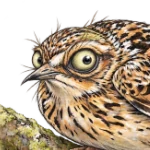
This bird doesn’t just build a nest–it drafts architectural plans for one, complete with risk assessments and a five-year maintenance schedule. It shows up whenever the future feels too big, too messy, or too unpredictable, convinced that chaos is the ultimate predator. Its solution? Airtight plans. Lists. Spreadsheets. Contingencies for contingencies.nnIt’s not trying to be a buzzkill; it’s trying to build a world with no surprises. It whispers that if you can just anticipate every storm, you’ll never have to feel the rain. The problem is, you spend so much time drawing the maps that you forget to look at the sky. Its protection starts to feel like a beautiful, well-organized cage.
The Blueprint Bird appears whenever the future feels like an uncharted wilderness. It avoids open skies and improvisation, preferring to nest in the neat grids of a calendar or the tidy columns of a spreadsheet. It thrives on the quiet hum of a mind mapping out every step from A to Z, weaving together to-do lists, contingency plans, and detailed itineraries. For this bird, a known path–no matter how rigid–always feels safer than a spontaneous flight.
What tends to bring it out
"Okay, what's the plan for the plan?"
"If we don't map this out, we are going to fail."
"No, we can't start yet. We're not ready."
"Let's just make a spreadsheet for that."
Birds rarely act alone. These are some of the Birds that often travel nearby.

planner
They are a powerful duo for inaction. One creates plans that are too perfect to start, and the other criticizes any attempt that isn't perfect, reinforcing the need for a better plan.

planner
The Hypervigilant part senses a risk—like a vague email from a boss—and the Planning part immediately begins building a dozen different response plans and scenarios.

defender
Endless planning often serves as a very convincing costume for avoidance. When the plan is finally 'done,' the dread of starting is so high that the avoidant part takes over completely.
vulnerable
The more this vulnerable part pipes up about what could go wrong, the more desperately the planning part works, adding more detail and contingencies to its blueprints.
Linked Experiences
These Experiences ground the Bird in real life. They show the moments where this protective pattern often appears.
Explorer shows the broad version of the experience, without narrowing it to one neurotype.
Changing this updates how BirdStory explains experiences in your guide.
These views change the wording and examples BirdStory shows. They are not a diagnosis.
Pick the view that makes the experiences feel most recognisable.
Supporter View
When your loved one’s Blueprint Bird takes over, it can feel like you’re being scheduled into a project plan, not a relationship. This guide is here to help you see the deep-seated anxiety behind the itinerary and connect with the person, not just their plan.
More support
Explore the Experiences where this pattern shows up — real moments that ground the Bird and point to what can help.
Sign in or create a free account to save this entry.
We'll email you a link to sign in instantly.