
What it wants
To protect you from the painful feelings of inadequacy, frustration, or burnout that the task might trigger.
defender
What it wants
To protect you from the painful feelings of inadequacy, frustration, or burnout that the task might trigger.
What it fears
That starting the task will confirm a core fear: that you can't do it, that you'll do it wrong, or that the effort will be too much to handle.
This Bird doesn’t swoop in with a screech — it just quietly builds a wall between you and the thing you’re supposed to do. It whispers that you’re too tired, the timing isn’t right, or you need to feel more inspired first. Its logic is flawless: you can’t fail at something you never start. It’s not lazy; it’s a strategist of self-preservation, trading the loud, immediate fear of the task for the quiet, simmering anxiety of inaction. It promises you relief, and for a moment, it delivers. But soon, you’re just sitting in a silent room with a growing pile of ‘later’ that feels heavier than the original task ever did.
What tends to bring it out
"I'll feel more like doing it tomorrow."
"It's too big, I don't even know where to start."
"You're too tired for this right now. Just rest."
"Just let me do this one easy thing first."
Under pressure, the Avoidant Bird doesn't panic—it goes utterly still. It retreats into a silent freeze, making the task feel impossibly distant and creating a wall of 'can't' between you and the demand.
Masking behaviours
Birds rarely act alone. These are some of the Birds that often travel nearby.

planner
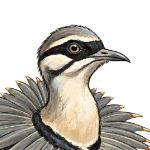
They are a classic cause-and-effect pair. The high-stakes pressure from one often activates the strategic retreat of the other.
planner
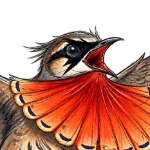
The harsh voice of the inner critic makes starting any task feel terrifying, providing the perfect habitat for avoidance to flourish. The louder the criticism, the stronger the urge to hide.
defender
Avoidance buys temporary peace, but as the deadline gets closer, the accumulated pressure often triggers a full-blown panic response. They work in sequence: one delays the problem, the other reacts to the inevitable explosion.

vulnerable
Avoidance is often a direct protector of shame. It creates a buffer zone around any task where failure could confirm the secret, painful belief that you are flawed.
Linked Experiences
These Experiences ground the Bird in real life. They show the moments where this protective pattern often appears.
Explorer shows the broad version of the experience, without narrowing it to one neurotype.
Changing this updates how BirdStory explains experiences in your guide.
These views change the wording and examples BirdStory shows. They are not a diagnosis.
Pick the view that makes the experiences feel most recognisable.
Supporter View
When your loved one’s Avoidant Bird takes over, it can look like they’re procrastinating, being lazy, or simply don’t care. This guide will help you understand the fear and overwhelm driving this behavior and how to support them without accidentally adding more pressure.
More support
Explore the Experiences where this pattern shows up — real moments that ground the Bird and point to what can help.
Sign in or create a free account to save this entry.
We'll email you a link to sign in instantly.