
What it wants
To protect you from the devastating pain of being rejected or cast out by convincing you to hide first.
vulnerable
What it wants
To protect you from the devastating pain of being rejected or cast out by convincing you to hide first.
What it fears
That it's right—that you are fundamentally unlovable, and that you will be abandoned once everyone sees the truth.
This isn’t a loud, aggressive bird. It’s a creature of weight and silence. The Shame Bird doesn’t need to chirp accusations — its presence alone is a verdict. It lives in the hollow of your chest, with heavy, oil-slicked feathers, convinced it can never fly. When it’s near, the world shrinks. You feel an urge to fold into yourself, to become small enough to disappear. It convinces you that your mistakes aren’t just things you *did* but proof of who you *are*. It’s not a visitor who arrives with criticism; it feels like it was hatched in your bones, and its deepest, most painful secret is that you believe it’s the realest thing about you.
The Shame Bird doesn’t build a nest of twigs and leaves. It weaves its home from old wounds — harsh words, critical looks, and moments of deep embarrassment. It roosts in the quiet aftermath of a mistake, in the silence after a perceived rejection, or any time you compare yourself to others and find yourself lacking. Its nest is deep inside you, a heavy, sound-dampening place where it feels safer to hide than to risk being seen.
What tends to bring it out
"What is wrong with me?"
"I am ruining everything."
"They're all going to find out I'm a fraud."
"I should just disappear."
When threatened by exposure or failure, the Shame Bird doesn't fight or flee—it collapses. It pulls all its energy inward, making you go silent, avoid eye contact, and physically shrink to become invisible.
Masking behaviours
Birds rarely act alone. These are some of the Birds that often travel nearby.
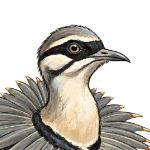
planner
The Critic's sharp accusations often land directly on the Shame Bird, feeding its core belief of being "bad." One is the weapon; the other is where it lands.

planner
Masking Bird works tirelessly to build a fortress to hide the Shame Bird from view. The more intense the shame, the thicker and more exhausting the mask becomes.
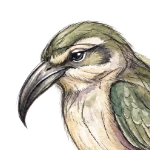
vulnerable
They are two sides of the same coin. Shame creates the isolation that Lonely Bird grieves. They often sit together in the quiet, reinforcing one another.
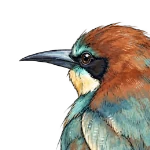
defender
When a situation threatens to expose the Shame Bird, the Avoidant Bird flaps in to create distance, protecting that tender spot from ever being touched.
Linked Experiences
These Experiences ground the Bird in real life. They show the moments where this protective pattern often appears.
Explorer shows the broad version of the experience, without narrowing it to one neurotype.
Changing this updates how BirdStory explains experiences in your guide.
These views change the wording and examples BirdStory shows. They are not a diagnosis.
Pick the view that makes the experiences feel most recognisable.
Supporter View
Watching someone you love retreat into shame can feel confusing and helpless. This guide is here to help you understand the silent world they’ve entered and how to offer a gentle, steady presence without getting lost in it yourself.
More support
Explore the Experiences where this pattern shows up — real moments that ground the Bird and point to what can help.
Sign in or create a free account to save this entry.
We'll email you a link to sign in instantly.