
What it wants
To protect you from emotional pain by creating a loud, fast, and distracting external reality.
defender
What it wants
To protect you from emotional pain by creating a loud, fast, and distracting external reality.
What it fears
That if you stop moving, the quiet, unbearable feelings you're running from will finally catch up and swallow you whole.
This Bird doesn’t perch — it streaks through your life like a blur of feathers and adrenaline. Its only rule? *Never stop moving*. It’s the one that convinces you to start a project at midnight, pick a fight for the thrill of it, or dive headfirst into a chaotic new relationship. Why? Because stillness is a trap. Silence is where the scary feelings live. This Bird isn’t addicted to drama for the fun of it; it’s using speed as a smokescreen, intensity as a protect. It believes that if you’re moving fast enough, the quiet ache of loneliness, shame, or boredom can never quite catch up. The burnout is inevitable, but for a little while, you get to feel the wind instead of the weight.
The Thrill-Seeker Bird never builds a nest — it seeks out turbulence. You’ll find it swooping in during moments of profound quiet, boredom, or after a vulnerable connection feels too exposed. It roosts in the aftermath of a big success when the silence feels like a void, or during long, unstructured weekends where there’s nothing to outrun. Its habitat is motion itself; it weaves chaos from stillness, creating a storm just to have something to fly through.
What tends to bring it out
"This is boring. Let's break something."
"Faster. Don't let the quiet catch you."
"Who cares what happens next? Just do it."
"A little chaos will make you feel alive again."
Birds rarely act alone. These are some of the Birds that often travel nearby.
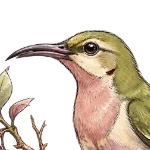
defender
They often work in tandem. When the thrill of one chase ends, the other may swoop in to manage the resulting emptiness or crash.
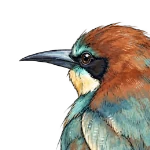
defender
They can appear as polar opposites, but they serve the same master: fear. One might create a crisis to avoid doing the one quiet, vulnerable task the other is hiding from.

defender
Sometimes, the chase for a thrill is actually a chase for a fight. This bird can instigate situations where the other can take over, using conflict as the ultimate distraction.
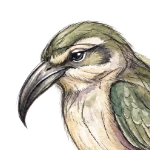
vulnerable
The faster the Thrill-Seeker flies, the more it's trying to outrun the profound stillness of this vulnerable part. The chase is only necessary because the quiet is so painful.
Linked Experiences
These Experiences ground the Bird in real life. They show the moments where this protective pattern often appears.
Explorer shows the broad version of the experience, without narrowing it to one neurotype.
Changing this updates how BirdStory explains experiences in your guide.
These views change the wording and examples BirdStory shows. They are not a diagnosis.
Pick the view that makes the experiences feel most recognisable.
Supporter View
When your loved one suddenly chases chaos or creates drama, it can feel confusing and destabilizing. This guide will help you understand the desperate need for sensation behind their actions and how to offer grounding instead of judgment.
More support
Explore the Experiences where this pattern shows up — real moments that ground the Bird and point to what can help.
Sign in or create a free account to save this entry.
We'll email you a link to sign in instantly.