
What it wants
To be seen, accepted, and loved for exactly what it is, without having to change or shrink.
vulnerable
What it wants
To be seen, accepted, and loved for exactly what it is, without having to change or shrink.
What it fears
That it is fundamentally unlovable and that if anyone sees its true nature, they will leave.
This isn’t a loud, screeching bird. It’s a small, quiet one that’s been with you forever, huddled in the corner of your heart. Its only song is a sad, simple tune: *you’re the problem*. It doesn’t need a reason — you were too loud, too quiet, too sensitive, too much. When others pull away, it chirps softly, “See? I told you so.” It’s not trying to hurt you; it genuinely believes this is the fundamental truth of your existence. Its presence turns every social misstep not into a mistake, but into evidence. Proof that you are, and always have been, just a little bit wrong.
The Wrong Bird doesn’t need much to build a nest. It thrives in the quiet aftershocks of social interactions — especially when you feel different, misunderstood, or ‘othered.’ It gathers scraps of criticism, confusing feedback, or even just a weird look from a stranger. Its nest is a heavy, tangled thing, built in the silence where you ask yourself, ‘What did I do wrong this time?’ It reappears anytime your natural way of being seems to clash with the world around you, reinforcing the feeling that you are the one who doesn’t belong.
What tends to bring it out
"What is wrong with me?"
"See? You're the problem."
"I shouldn't be like this."
"This is why everyone leaves."
When threatened by rejection or criticism, the Wrong Bird doesn't fight back; it collapses inward, pulling all its feathers in tight and going completely still, hoping to become so small it disappears.
Masking behaviours
Birds rarely act alone. These are some of the Birds that often travel nearby.

vulnerable
They are deeply intertwined. The feeling of shame often hardens into the identity of being wrong. When one is present, the other is never far behind.

planner
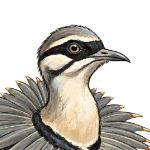
The Masking Bird exists because the Wrong Bird feels so true. It's a full-time job to construct a 'right' persona to keep the 'wrong' one from being discovered.
planner
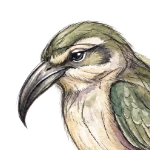
The Critic Bird often acts as a harsh guardian for the Wrong Bird, believing that if it points out all the 'wrongness' first, no one else can. It's a painful form of protection.
vulnerable
The Wrong Bird's belief system makes genuine connection feel impossible, which creates the perfect habitat for the Lonely Bird to thrive. They are constant companions.
Linked Experiences
These Experiences ground the Bird in real life. They show the moments where this protective pattern often appears.
Explorer shows the broad version of the experience, without narrowing it to one neurotype.
Changing this updates how BirdStory explains experiences in your guide.
These views change the wording and examples BirdStory shows. They are not a diagnosis.
Pick the view that makes the experiences feel most recognisable.
Supporter View
When your loved one seems to shrink or withdraw after a small mistake, it can feel confusing and disproportionate. This guide helps you understand the ‘Wrong Bird’s’ painful belief that they are the problem, and how you can offer the reassurance they can’t give themselves.
More support
Explore the Experiences where this pattern shows up — real moments that ground the Bird and point to what can help.
Sign in or create a free account to save this entry.
We'll email you a link to sign in instantly.