
What it wants
To give you a break from the storm inside; to turn down the volume on a world that feels too loud and painful.
defender
What it wants
To give you a break from the storm inside; to turn down the volume on a world that feels too loud and painful.
What it fears
That if you feel the full force of your emotions, you will shatter, drown, or be completely consumed by them.
This one doesn’t arrive with a screech or a flutter. It just… settles. Like a soft, heavy fog rolling in, muffling the sharp edges of the world. One moment you’re feeling *everything* — too much, too fast, too loud — and the next, there’s just static. The Numbing Bird isn’t trying to hurt you; it’s trying to save you from drowning in sensation. It wraps you in a thick, gray blanket of “I don’t care,” convincing you that feeling nothing is safer than feeling *that*. The only problem? It can’t tell the difference between pain and joy, so it mutes them both.
What tends to bring it out
"It's better not to feel anything at all."
"None of this matters anyway."
"Just check out. It's safer here."
"Let's just go blank for a while."
When threatened by overwhelming emotion, the Numbing Bird doesn't flee or fight—it goes completely still, pulling all color and sound from the inner world until only a flat, gray silence remains.
Masking behaviours
Birds rarely act alone. These are some of the Birds that often travel nearby.
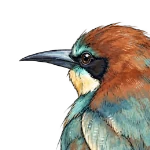
defender
They often work in tandem. The fear of feeling too much (prompting the need for numbing) leads to avoiding the people or tasks that might trigger those feelings.

defender
When numbing feels too empty, the mind might seek escape into fantasy as a more engaging form of checkout. Or, after an intense escape, numbing can be the quiet crash that follows.
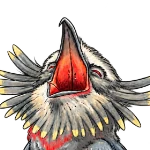
defender
They represent two sides of the same coin. Sometimes, immense effort is spent numbing out to prevent a meltdown. Other times, numbing is the profound exhaustion that follows one.

vulnerable
This is often a primary dynamic. When the vulnerable feeling of shame becomes too intense to bear, the system deploys a numbing defense to make the feeling go away, even temporarily.
Linked Experiences
These Experiences ground the Bird in real life. They show the moments where this protective pattern often appears.
Explorer shows the broad version of the experience, without narrowing it to one neurotype.
Changing this updates how BirdStory explains experiences in your guide.
These views change the wording and examples BirdStory shows. They are not a diagnosis.
Pick the view that makes the experiences feel most recognisable.
Supporter View
When your loved one seems to just… check out, it can feel like they’re pulling away from you. This guide is here to help you understand the Numbing Bird’s protective fog and how to connect with the person inside it.
More support
Explore the Experiences where this pattern shows up — real moments that ground the Bird and point to what can help.
Sign in or create a free account to save this entry.
We'll email you a link to sign in instantly.